March 17, 2026
A home's plumbing system is designed to work quietly behind the scenes, delivering water where it's needed and removing wastewater efficiently. However, when plumbing problems occur beneath a home's concrete slab foundation, the consequences can become serious if the issue goes undetected. Slab leaks are one of the most concerning plumbing problems homeowners may encounter because they originate beneath the structure of the home itself.
Unlike visible pipe leaks, slab leaks often develop silently under floors and foundations. This hidden nature makes them difficult to detect early, allowing water to seep into the soil and surrounding materials over time. When left unaddressed, the moisture from a slab leak can weaken the structural support of a home and damage flooring materials such as hardwood, tile, laminate, and carpet.
Slab leaks typically occur when pipes beneath the concrete slab become cracked, corroded, or damaged due to shifting soil, aging materials, or high water pressure. Because these pipes are embedded in or located beneath the foundation, even a small leak can gradually erode soil and create instability beneath the home.
Homeowners who understand the risks associated with slab leaks are better prepared to recognize early warning signs and take action quickly. In many cases, professional slab leak detection services can identify the exact location of the problem before extensive damage occurs. In this article, we will explore how slab leaks develop, the ways they can damage foundations and flooring, and why early detection is essential for protecting your home.
Common Causes of Slab Leaks Beneath a Home
Slab leaks originate in water pipes located beneath a home's concrete foundation. These pipes carry both hot and cold water throughout the house, and over time, they may experience wear and deterioration.
Several factors can contribute to the development of a slab leak, including pipe corrosion, shifting soil, abrasive contact with concrete, and fluctuations in water pressure. In older homes, pipes may naturally weaken after decades of use, eventually developing small cracks or fractures.
Soil movement is another common cause of slab leaks. As the soil beneath a home expands and contracts due to moisture changes, it can place stress on buried pipes. Over time, this pressure may cause pipes to bend, rub against concrete, or break.
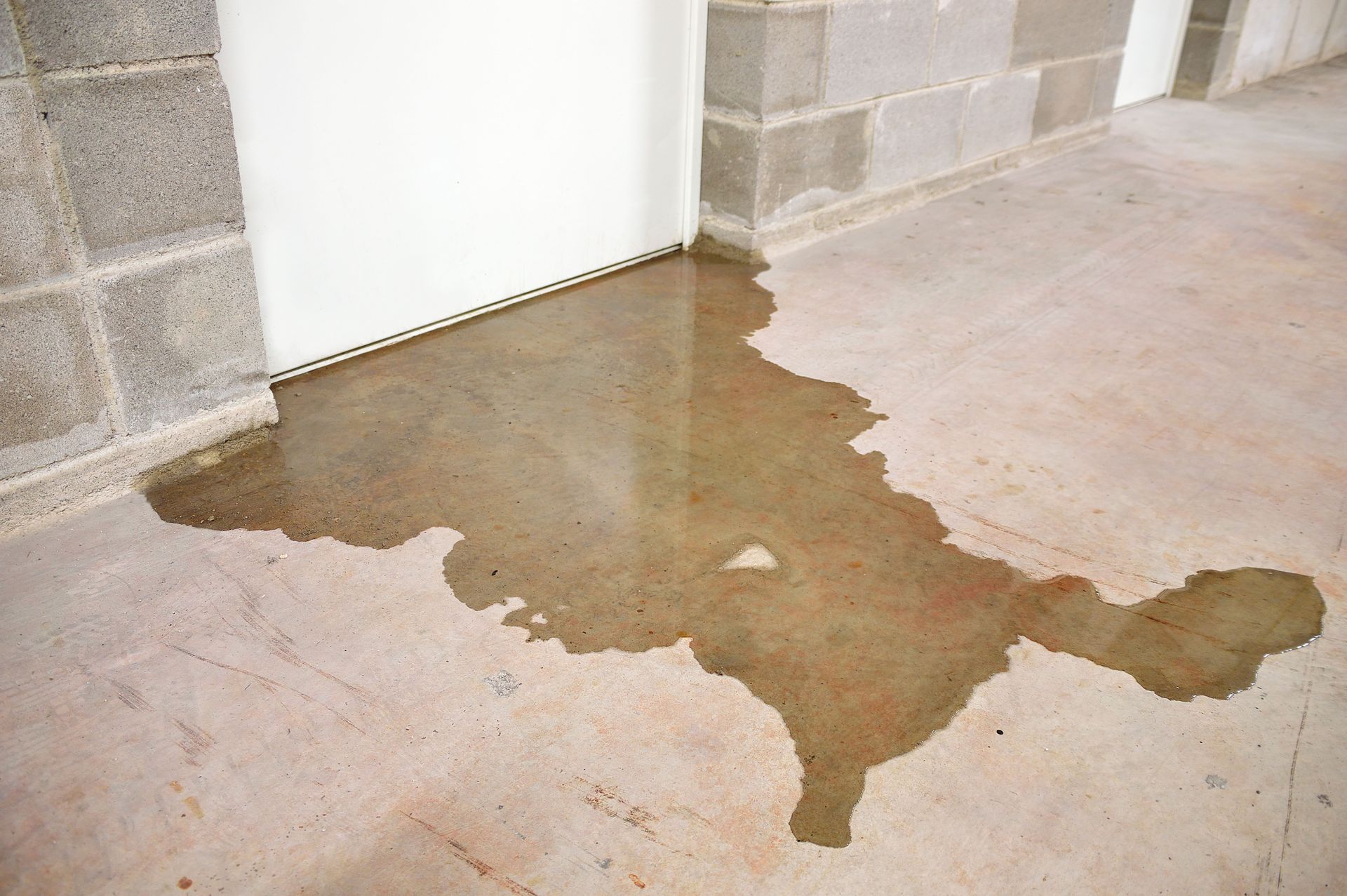
Once a pipe begins leaking, water gradually escapes into the surrounding soil beneath the foundation. Because the leak is hidden below the slab, it can continue for weeks or even months before noticeable symptoms appear inside the home.
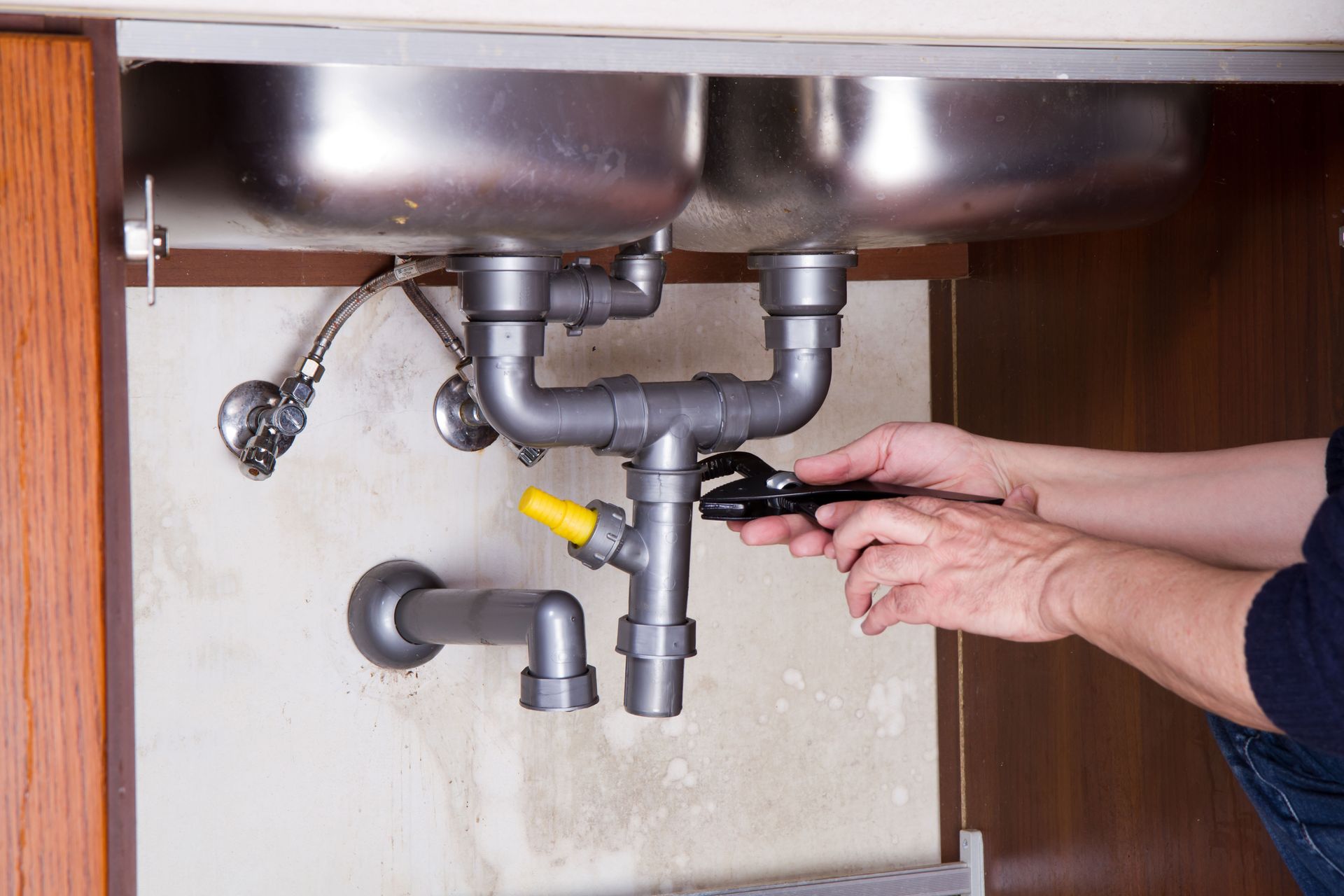
Professional slab leak detection services use specialized equipment such as acoustic listening devices and thermal imaging to locate these hidden leaks without unnecessary demolition. Identifying the source of the leak early can prevent further damage to the structure above.
Structural Risks to Your Foundation
The foundation of a home relies on stable soil conditions to support the structure above it. When water leaks beneath a slab foundation, it disrupts this balance by saturating the soil.
Excess moisture can cause soil to expand, soften, or erode. As the soil shifts, the concrete slab may begin to settle unevenly. This movement can lead to structural issues that affect the entire house.
One of the most common signs of foundation damage caused by a slab leak is the appearance of cracks in walls or floors. These cracks may start small but can gradually widen as the foundation continues to shift.
In some cases, doors and windows may become difficult to open or close because the frame of the house is no longer perfectly aligned. Floors may also appear uneven or sloped as sections of the foundation move out of position.
The longer a slab leak remains unresolved, the greater the risk of structural instability. Water erosion beneath the slab can create voids in the soil, leaving sections of the foundation unsupported. This can eventually lead to costly foundation repairs if the problem is not addressed quickly. By using slab leak detection services at the first sign of trouble, homeowners can locate the leak before extensive soil damage occurs.
Damage to Hardwood, Tile, and Carpet Flooring
While slab leaks originate beneath the foundation, their effects often become visible inside the home through damage to flooring materials. Water that escapes from a pipe beneath the slab may gradually rise through small cracks or porous areas in the concrete. As moisture travels upward, it can reach flooring materials installed above the slab.
Hardwood floors are particularly vulnerable to water damage. When exposed to moisture, wood expands and warps. This can cause boards to cup, buckle, or separate over time. Once hardwood flooring becomes severely warped, replacement is often necessary.
Tile floors can also suffer from slab leaks. Excess moisture beneath tiles may weaken the adhesive that holds them in place, causing tiles to loosen or crack. In some cases, the grout between tiles may begin to crumble or discolor due to prolonged moisture exposure.
Carpet and padding are highly absorbent and can trap moisture from a slab leak. Damp carpet may develop unpleasant odors, stains, or mold growth if the leak continues.
Because flooring materials can conceal moisture for extended periods, homeowners may not notice a slab leak until the damage becomes obvious. Early evaluation by professionals offering slab leak detection services can help locate hidden leaks before flooring damage spreads.
Mold Growth and Indoor Air Concerns
Another major risk associated with slab leaks is the development of mold and mildew inside the home. Mold thrives in damp environments, and persistent moisture beneath floors creates ideal conditions for growth.
When water from a slab leak seeps into flooring materials or surrounding structures, it raises humidity levels within the home. Over time, mold spores may begin growing beneath carpets, inside walls, or along baseboards.
Mold growth can lead to unpleasant odors and potential health concerns, particularly for individuals with allergies, asthma, or respiratory sensitivities. Even small amounts of hidden moisture can support mold development if the environment remains damp long enough.
In addition to affecting indoor air quality, mold can further damage building materials. Wooden framing, subflooring, and drywall may deteriorate when exposed to prolonged moisture.
Prompt detection and repair of slab leaks can reduce the risk of mold formation. Professional plumbers often recommend slab leak detection services when homeowners notice unexplained musty odors, damp spots, or humidity changes.
Rising Water Bills and Utility Waste
One of the earliest signs of a slab leak is an unexplained increase in water usage. Even a small leak beneath the foundation can waste a surprising amount of water over time.
Because slab leaks occur beneath the home, homeowners may not see visible water pooling or dripping. Instead, the only noticeable clue may be a higher monthly water bill without any obvious change in water habits.
Continuous water flow from a damaged pipe forces the plumbing system to work harder, placing additional strain on pipes and fixtures throughout the home. This increased demand can also raise overall utility costs.
Addressing slab leaks quickly not only protects the home's structure but also prevents ongoing water waste. Professional slab leak detection services can identify the location of the leak so repairs can begin promptly.
According to This Old House, it typically takes between one and three days to fix a slab leak, depending on the location and severity of the damage. Early detection often shortens repair time and minimizes disruption to the home.
If you suspect a hidden plumbing leak beneath your home, contacting 3G Plumbing and Backflow LLC can make a significant difference. Schedule an inspection today to learn how professional slab leak detection services can protect your foundation, preserve your flooring, and prevent costly damage to your home.