April 23, 2026
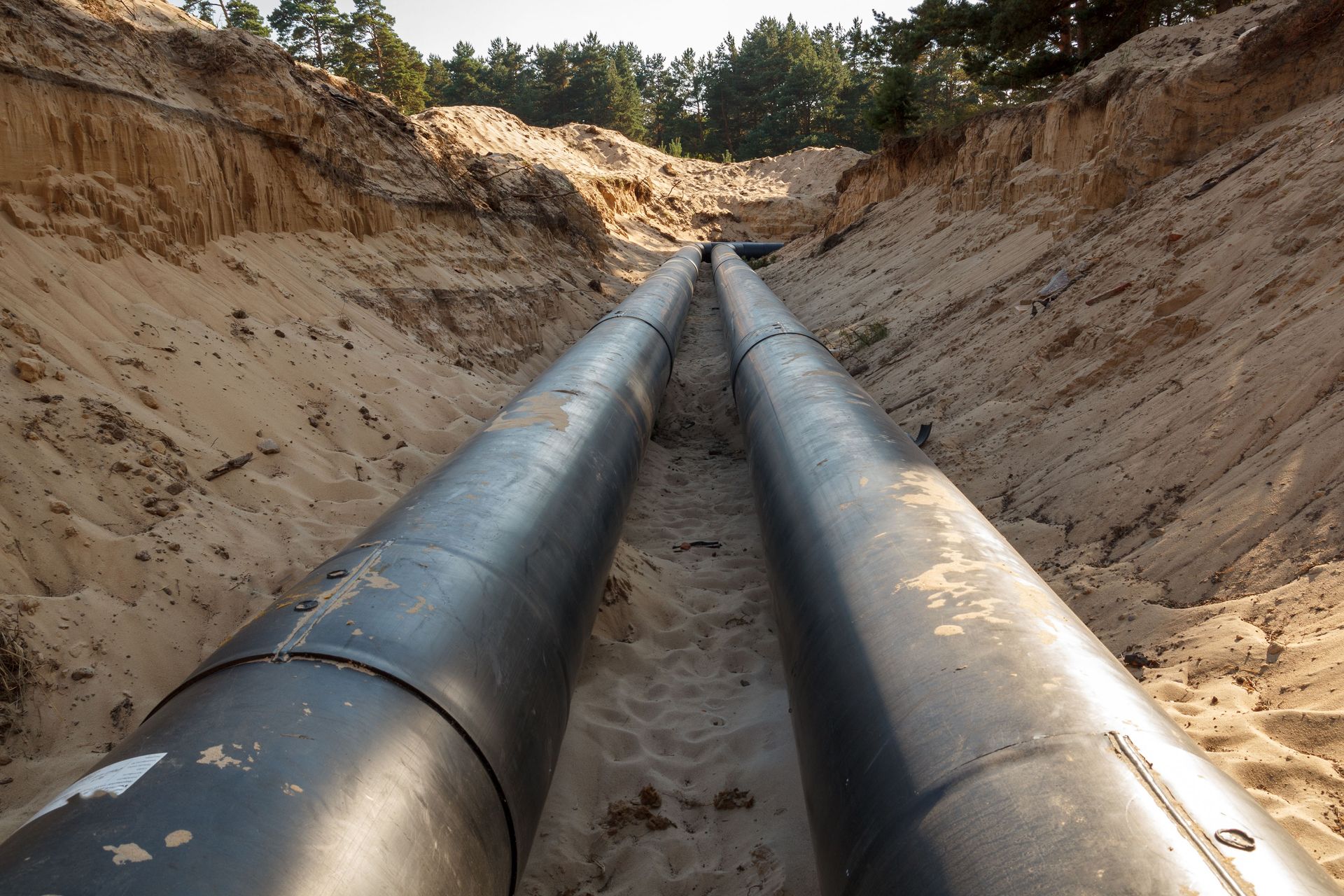
Owning an older home often feels like possessing a piece of history, filled with unique architectural details and a sense of character that modern builds frequently lack. However, beneath the charming floorboards and behind the vintage plaster walls lies a complex network of infrastructure that is inevitably showing its age. One of the most critical yet frequently overlooked components of an aging property is the waste management system buried deep underground. As decades pass, the materials used to carry waste away from the residence begin to degrade due to environmental pressure, chemical reactions, and simple wear. Maintaining this system is not merely about convenience; it is about preserving the structural integrity and health of the entire property. According to HomeGuide, sewer lines last 30 to 100 years, depending on the material. Because many historic neighborhoods feature homes that are approaching or exceeding these milestones, the necessity of professional intervention becomes a matter of when rather than if.
Ignoring the warning signs of a failing system can lead to catastrophic consequences that extend far beyond a simple clogged drain. Older properties often utilize materials like clay, cast iron, or even tar paper pipes, which were standard at the time of construction but are prone to specific types of failure that modern plastic alternatives avoid. When these lines begin to crack or collapse, the resulting damage can be incredibly expensive and disruptive to remediate. Timely sewer line repairs act as a vital safeguard, preventing the slow deterioration of the home's foundations and ensuring that the living environment remains sanitary for all occupants. By addressing these issues proactively, homeowners can avoid the emergency scenarios that often lead to property loss and significant financial strain. Understanding the specific vulnerabilities of aging infrastructure is the first step toward responsible home stewardship and long-term peace of mind.
1. Preventing Significant Structural Foundation Damage
The stability of any older home relies heavily on the condition of the soil beneath it. When a pipe buried under the house or yard begins to leak, it introduces a constant stream of moisture into the earth that was never intended to be there. This excess water can cause the soil to expand, contract, or wash away entirely, leading to a phenomenon known as subsidence. Over time, the shifting ground can cause the heavy foundation of a vintage home to crack or settle unevenly. You may notice doors that no longer latch correctly or cracks appearing in the drywall upstairs, which are often the secondary symptoms of a primary plumbing failure deep underground.
Once the foundation is compromised, the cost of restoration climbs exponentially. Foundation work is notoriously difficult and invasive, often requiring the use of heavy machinery and specialized structural engineers to stabilize the building. Engaging in sewer line repairs as soon as a leak is suspected can halt this process before the movement of the earth causes permanent damage to the bones of the house. By ensuring that the wastewater stays contained within its designated path, you protect the literal ground upon which your investment sits. This proactive approach keeps the structural integrity of the historic architecture intact and prevents the minor plumbing issue from evolving into a total residential crisis.
2. Protecting Local Ground and Surface Water
Older plumbing systems were frequently designed before modern environmental standards were established, meaning their failure can have a broad impact on the local ecosystem. A leaking pipe allows untreated waste to seep into the surrounding soil, where it can eventually reach local groundwater tables or nearby streams. This contamination introduces harmful bacteria and pathogens into the environment, which can affect local wildlife and even the health of neighbors who might rely on well water. For properties with mature landscaping and ancient trees, this underground pollution can also poison the root systems that homeowners have spent years nurturing.
Furthermore, the environmental responsibility of a homeowner includes ensuring that their property does not contribute to the degradation of the municipal infrastructure. When groundwater enters a broken pipe, a process known as infiltration, it overloads the city treatment plants with excess liquid that does not actually need processing. Proper sewer line repairs ensure that the boundary between the waste system and the natural environment remains absolute. This containment is essential for maintaining a clean yard where children and pets can play safely without exposure to hidden biohazards. Taking care of these repairs is an act of environmental stewardship that benefits the entire community and preserves the natural beauty of the older neighborhood.
3. Avoiding Excessive Emergency Remediation Costs
The financial burden of a plumbing disaster is almost always higher when the work is performed on an emergency basis. When a pipe completely collapses, the resulting backup can flood a basement or crawlspace within a matter of hours, destroying personal belongings and original architectural features. Emergency contractors often charge premium rates for immediate mobilization, and the secondary costs of water damage restoration can be staggering. Homeowners who wait for a total system failure often find themselves paying many times more than they would have for a scheduled, non-emergency intervention.
By choosing to invest in sewer line repairs at the first sign of slow drains or unusual odors, you maintain control over the timeline and the budget. Scheduled maintenance allows for a thorough diagnostic process, including the use of cameras to pinpoint the exact location of the trouble. This precision means that contractors can often use trenchless methods that avoid tearing up expensive landscaping or historic walkways. In the long run, the small price of a targeted fix is a fraction of the cost associated with a full-scale excavation and the subsequent restoration of the property. Budgeting for these updates as part of regular home maintenance is the most fiscally responsible way to manage a historic residence.
4. Eliminating Persistent Mold and Mildew Growth
One of the most insidious side effects of a failing underground pipe is the rise in moisture levels within the lower levels of the home. Even a small pinhole leak can create a perpetually damp environment in a crawlspace or basement, which serves as the perfect breeding ground for mold and mildew. Because older homes often have less sophisticated vapor barriers than modern constructions, this moisture easily migrates upward through the floors and into the living spaces. Persistent dampness can lead to a musty smell that permeates the entire house, regardless of how often you clean or use air fresheners.
The presence of mold is a significant health concern, particularly for children, the elderly, or those with respiratory sensitivities. It can trigger asthma attacks and cause chronic allergic reactions that diminish the quality of life for the residents. Performing sewer line repairs removes the source of this excess humidity, allowing the structure to dry out properly and preventing the return of fungal growth. Without addressing the subterranean leak, any surface-level mold remediation will only be a temporary solution.
The journey of maintaining an older home is one of constant vigilance and respect for the systems that keep the household running smoothly. While the tasks of painting and decorating are more visible, the work done beneath the surface is what truly ensures the longevity of the structure. Addressing the needs of an aging waste system is a fundamental responsibility that prevents a host of secondary problems, from foundation shifts to environmental hazards. The peace of mind that comes with knowing your pipes are secure allows you to fully enjoy the unique charm of your historic property without the looming shadow of a plumbing disaster. By valuing the function of the home as much as its form, you guarantee that the residence remains a safe, beautiful, and valuable haven. If you suspect your aging pipes are in need of professional attention, it is time to seek expert guidance to protect your investment. To ensure your home is protected from the risks of failing infrastructure, contact 3G Plumbing and Backflow LLC if you need sewer line repairs.