November 2, 2026
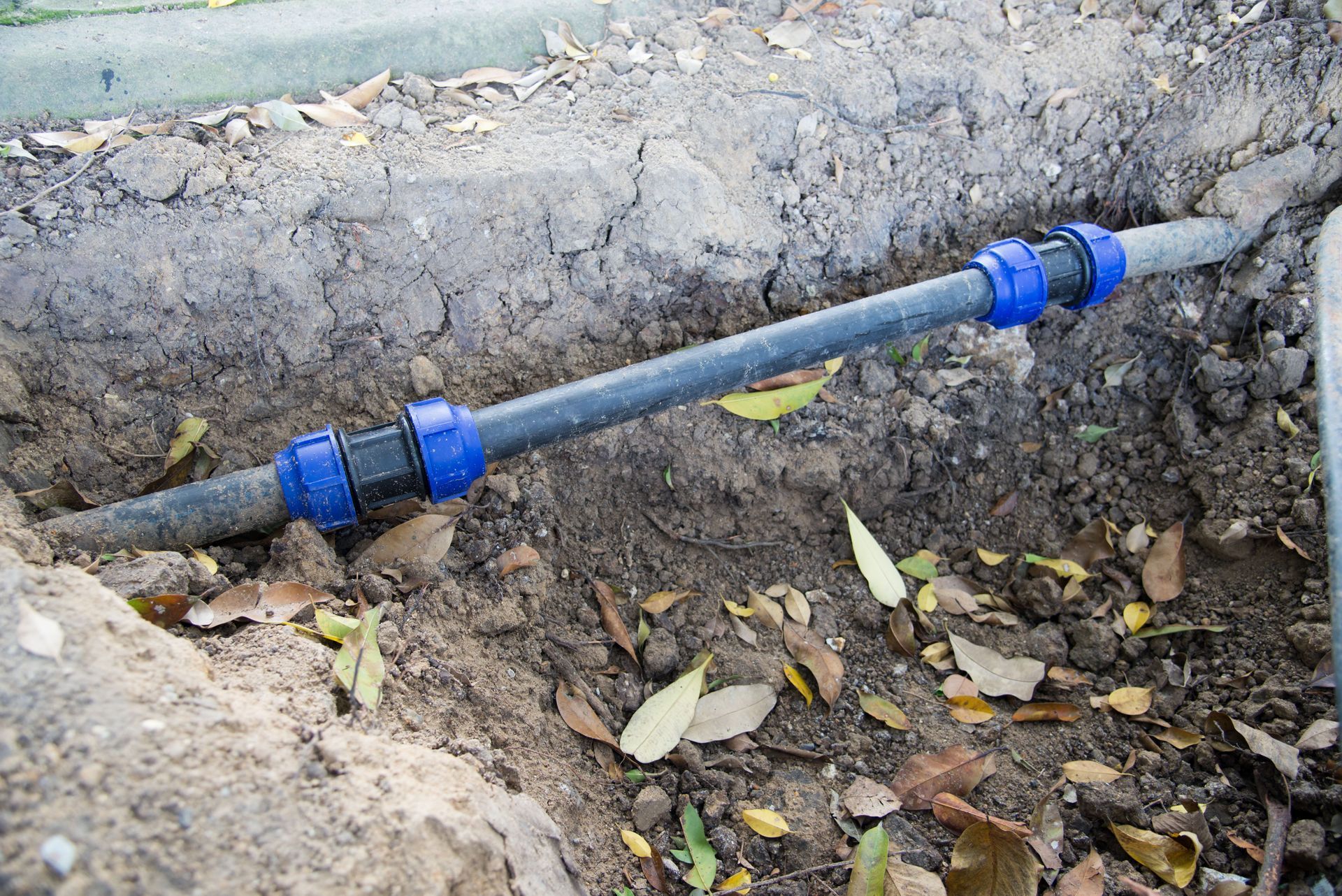
Every property relies on an intricate network of subterranean plumbing to channel wastewater away from living spaces and toward municipal treatment facilities. Because these vital drainage pipelines remain concealed beneath manicured lawns, concrete driveways, and building foundations, property owners rarely give them much thought during daily routines. However, buried wastewater conduits operate under continuous physical stress, transporting vast quantities of wastewater while enduring external soil pressure and environmental shifts. When problems develop beneath the surface, the resulting complications can disrupt daily life, cause severe property contamination, and compromise the structural stability of your entire building envelope.
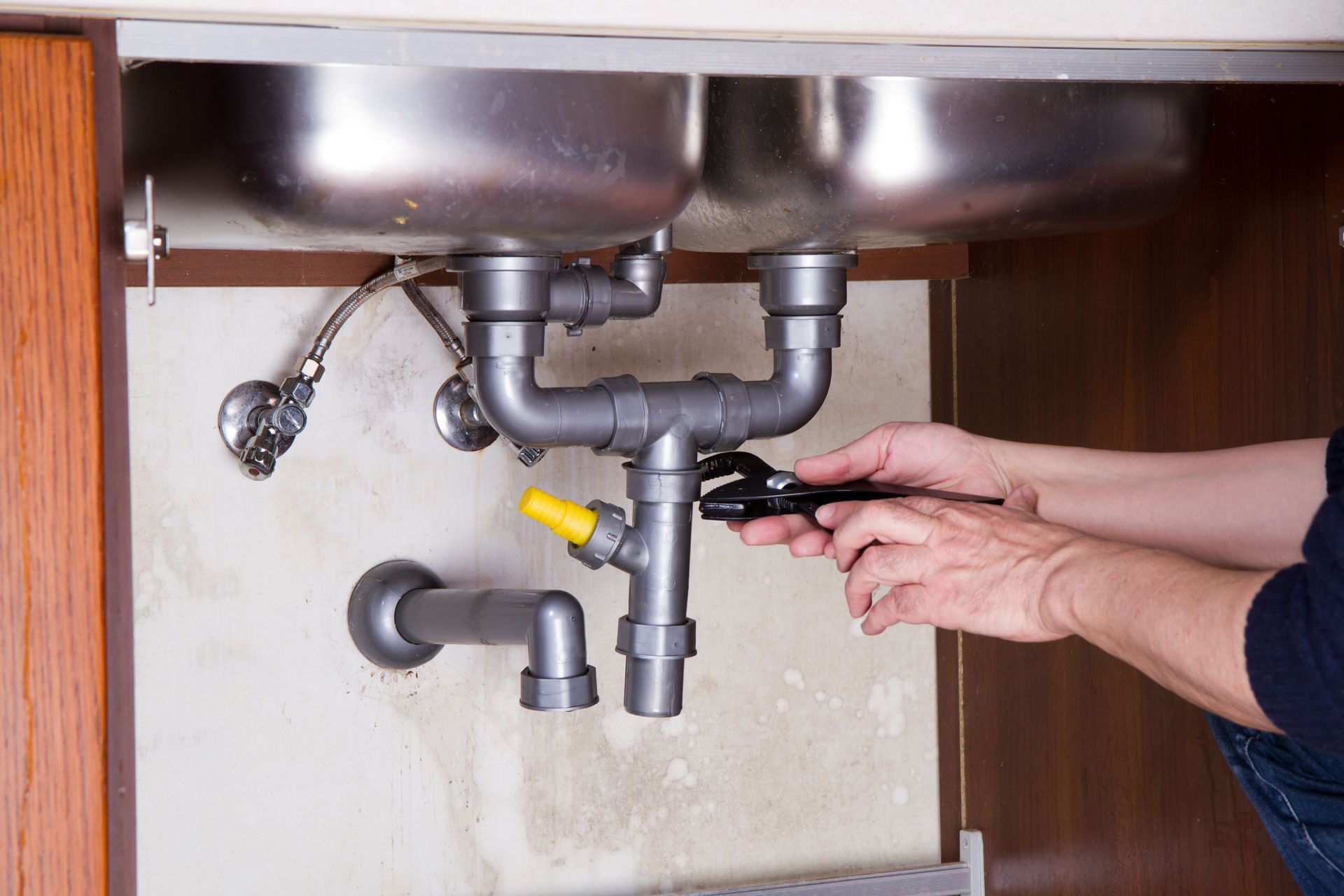
Recognizing the underlying triggers of subterranean drainage problems allows property owners to take proactive steps before an emergency occurs. Unpleasant odors near drains, gurgling toilets, slow-draining sinks, and soggy patches in the yard often indicate that wastewater pipes have suffered significant physical damage. Seeking timely sewer line repair prevents hazardous backups from spreading into interior living quarters and preserves the surrounding landscape. Understanding the most frequent threats to your wastewater system equips you with the knowledge needed to protect your plumbing infrastructure, avoid sudden emergencies, and address hidden structural deterioration quickly.
1. Spreading Tree Roots That Infiltrate Underground Pipes
Tree roots naturally seek moisture, oxygen, and nutrients within the soil to sustain their extensive aboveground growth throughout changing seasons. Subterranean wastewater pipes carry a constant supply of warm water and organic matter, making them an irresistible target for growing root networks. Older plumbing conduits, especially those made from clay, cast iron, or porous concrete, often develop tiny fissures or loose connections over extended periods. Microscopic vapor leaks around these pipe joints draw wandering root tips straight to the line, where they penetrate minuscule gaps in search of continuous nourishment and hydration.
Once inside the pipe, root strands expand rapidly within the nutrient-rich environment, creating a thick web that catches toilet paper, hair, and household solids. As roots thicken, they exert immense mechanical pressure against the pipe circumference, widening original fractures until the pipe breaks apart entirely. Left unchecked, dense root balls completely obstruct drainage channels, causing wastewater to reverse course into residential fixtures. Scheduling professional sewer line repair at the initial indication of root intrusion helps eliminate invasive vegetation and restores smooth wastewater flow before total structural collapse occurs beneath your property.
2. Shifting Ground Soil That Misaligns Buried Lines
The soil beneath residential and commercial properties is far from static. Changing environmental conditions, heavy seasonal rainfall, prolonged droughts, and regional freeze cycles cause subsurface earth to expand, contract, and shift continuously. Nearby construction projects, heavy vehicular traffic over unpaved driveways, and natural seismic activity also contribute to continuous ground vibration and soil compaction. When the ground supporting a drainage conduit shifts unevenly, the rigid pipe must absorb tremendous shearing forces that challenge its structural integrity.
Soil movement frequently causes individual pipe segments to separate at their connection points, creating misaligned joints that disrupt gravitational wastewater flow. In difficult situations, shifting earth creates low sections known as belly zones, where wastewater stagnates and accumulates heavy sediment. Over time, standing effluent erodes the base of the pipe, accelerating material breakdown and causing recurring blockages. When ground displacement strains drainage infrastructure beyond its physical tolerances, homeowners must arrange for sewer line repair to realign separated connections, eliminate settling bellies, and prevent saturated ground from undermining nearby foundation footings.
3. Corroding Pipe Materials That Degrade Interior Walls
Many older homes still rely on original sewer conduits fabricated from galvanized steel, cast iron, or clay. While these traditional materials provided reliable service when originally installed, they possess finite lifespans and gradually succumb to natural decay. Cast iron pipes, for example, suffer from internal rust scaling caused by continuous exposure to sewer gases and moisture. Over decades of constant use, oxidation thins the metal walls, creating jagged interior ridges that snag debris and eventually produce pinhole leaks along the bottom channel of the pipe.
Chemical reactions between harsh drain cleaners, acidic household substances, and metallic pipe walls accelerate this deterioration process significantly over time. When corrosion compromises the structural integrity of your drainage system, professional intervention becomes necessary to safeguard your property against persistent failures. According to FieldCamp, approximately 132,000 plumbing businesses provide professional services across the United States. Engaging qualified technicians for prompt sewer line repair ensures that deteriorated, brittle conduits are properly evaluated and rehabilitated before hazardous sewage leaks into surrounding topsoil and causes broader ground contamination.
4. Accumulating Grease Residue That Creates Severe Clogs
Household drains frequently receive substances that have no place in a wastewater system. Cooking fats, liquefied grease, and warm culinary oils may enter kitchen drains as hot liquids, but they quickly cool and solidify once they enter underground pipes. Over time, these fatty deposits form sticky layers along the interior circumference of the conduit, gradually narrowing the channel through which wastewater travels. As the opening constricts, standard household debris clings to the sticky surface, creating stubborn blockages that resist simple plungers or chemical remedies.
Flushing non-dispersible items such as wet wipes, facial tissues, paper towels, and hygiene products exacerbates the accumulation of grease. Unlike standard toilet paper designed to dissolve upon contact with water, these fibrous materials bind together with grease deposits to form impenetrable blockages. The resulting pressure buildup strains older pipe seams and causes sewage to reverse direction into low-lying household fixtures. Securing targeted sewer line repair allows specialists to clear dense obstructions, smooth interior pipe walls, and reestablish proper fluid dynamics throughout the entire residential drainage network.
5. Freezing Winter Temperatures That Cause Structural Cracking
Subterranean temperatures can plunge dramatically during extended cold snaps, especially in regions prone to deep ground frost. When drainage pipes sit above the local frost line or experience exposure to frigid drafts through uninsulated crawlspaces, stagnant water inside the line can freeze solid. Water expands significantly as it transforms into ice, generating immense outward pressure against the rigid walls of the conduit. This lateral force easily splits brittle plastic pipes and cracks unyielding cast iron channels, compromising the entire run.
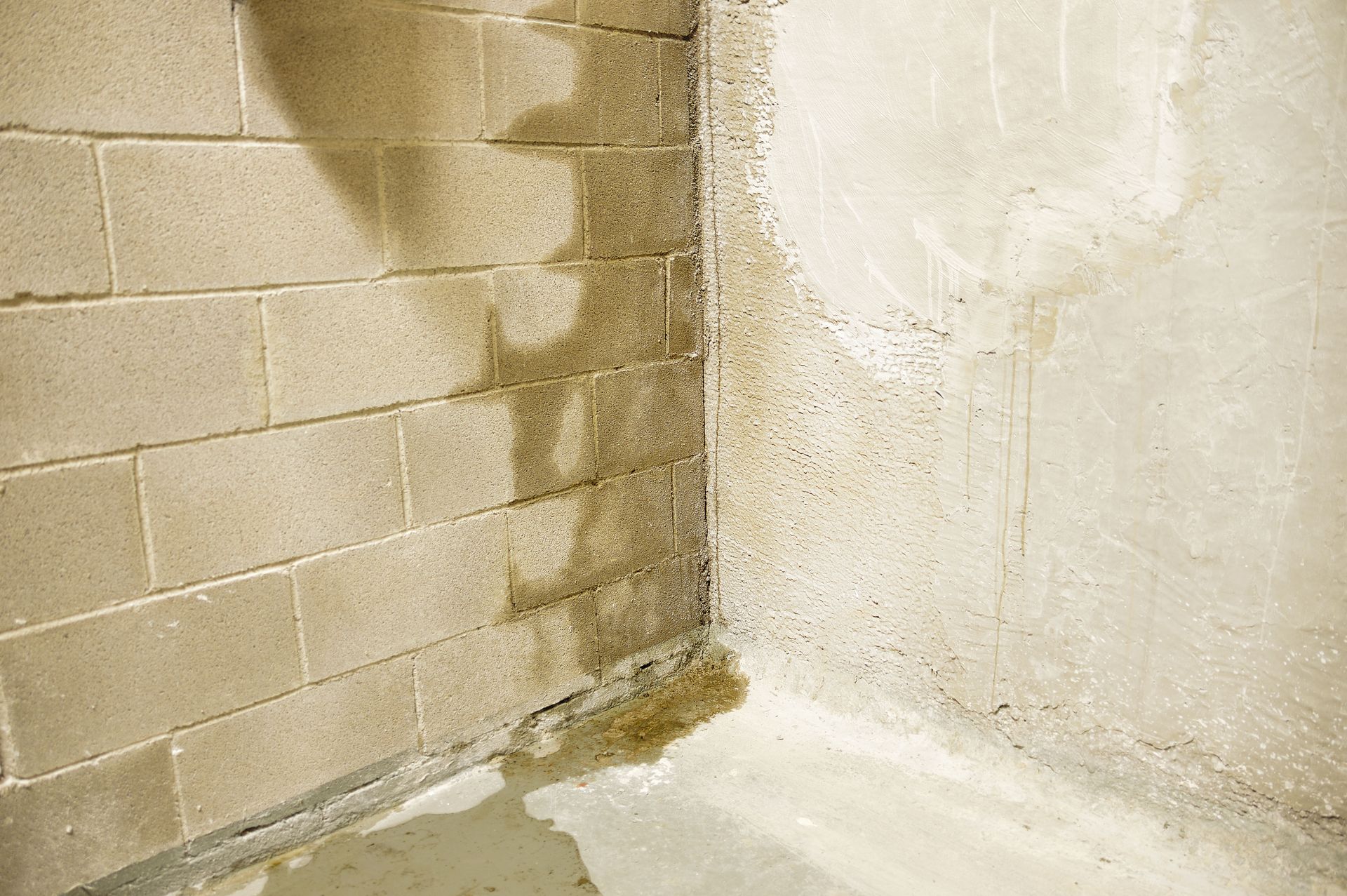
The true extent of freeze damage often remains hidden until the ice thaw begins. Once frozen plugs melt away, water rushes through the fractured line, washing away supporting soil beneath the conduit and creating underground voids. The lack of soil support causes the cracked pipe to sag and fail under surface weight. Calling for immediate sewer line repair when winter damage strikes prevents catastrophic landscape collapse and keeps contaminated effluent from pooling around your building perimeter or seeping toward the basement walls.
Maintaining a healthy wastewater drainage system requires vigilance and an understanding of the external and internal factors that threaten underground pipes. From aggressive tree root intrusion and ground movement to material corrosion, accumulated clogs, and severe winter freezes, subsurface pipes endure constant strain. Ignoring early warning signs like slow drains or persistent odors only allows subterranean issues to worsen over time. Timely sewer line repair safeguards your property against extensive environmental contamination, protects indoor air quality, and preserves the structural value of your real estate investment for years to come.
Safeguarding your property against hidden plumbing emergencies demands proven expertise, advanced diagnostic equipment, and dependable craftsmanship. If you are ready for comprehensive underground drainage solutions, contact us at 3G Plumbing and Backflow LLC today. We will help you inspect your drainage infrastructure, resolve hidden pipeline damage, and restore reliable wastewater flow across your entire property.